
Do personal loans appear on credit reports
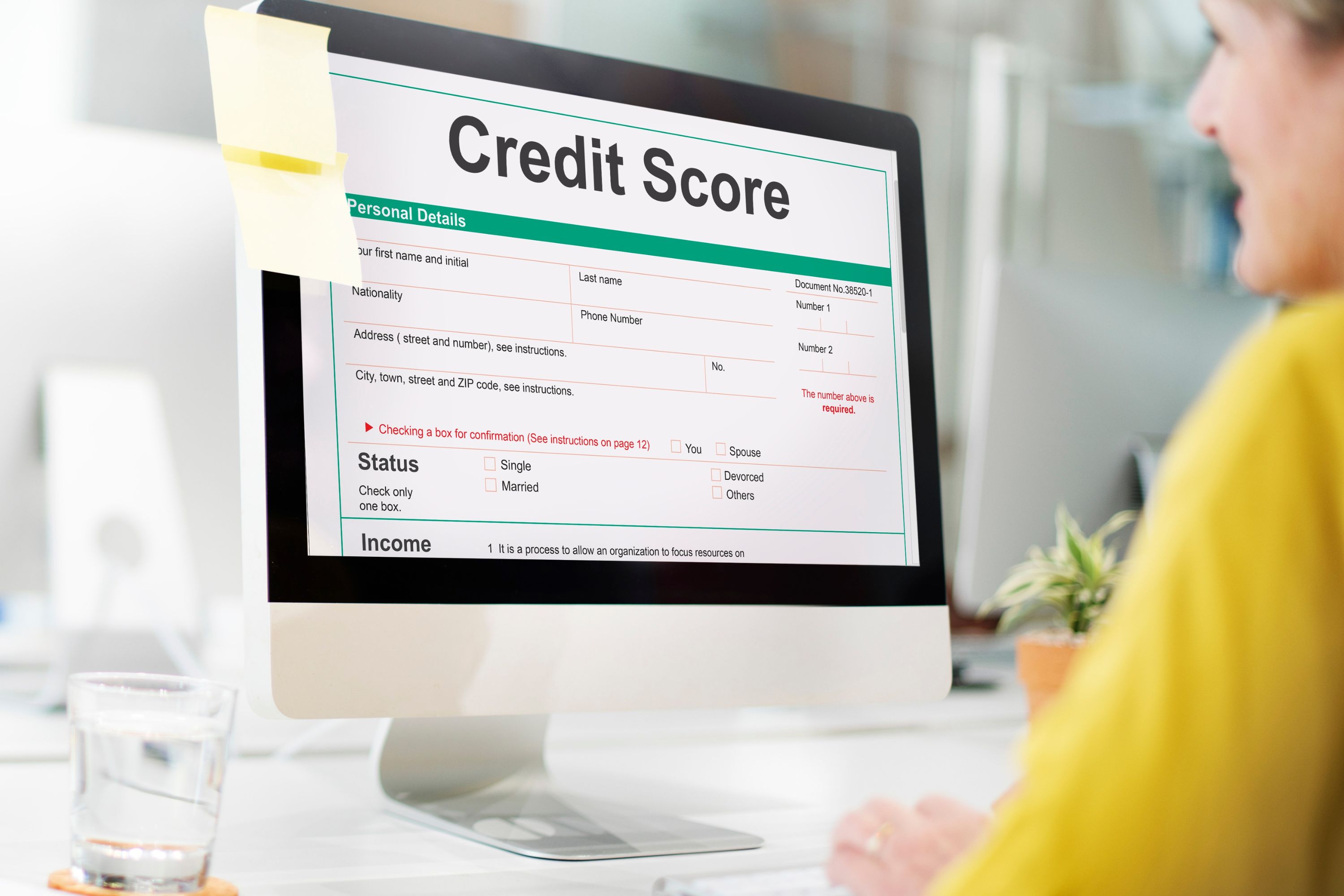
When you think about having a personal loan, First of all you worry about the impact it will have on your credit score. Many borrowers wonder: Will lenders be able to see it? Will it hurt my score? How long will it stay on my report? These are valid queries since your credit report will significantly affect future monetary choices.
Instead of guessing, let’s break it down clearly so you know exactly what to expect—and how to stay in control. If you're also exploring borrowing options, you can review available personal loans in Corpus Christi to understand how different lenders structure repayment.
Which Credit Bureaus Receive Personal Loan Information
Yes, Personal Loans Are Reported to credit bureaus.
Mostly, personal loans are shown on your credit report. When you borrow an amount of money with a lender, who forwards it to credit bureaus, the loan will be included in your credit history.
What Information is Reported.
Typically, your credit report will include:
- The date the loan was opened
- The total loan amount
- Your current balance
- Your payment history
- The loan status (active, closed, or delinquent)
This information helps lenders understand how you manage debt.
Exposure to Future Lenders.
Yes, when the lenders look at your credit report, they can see your personal loan. This assists them to analyze your credit patterns and ability to pay back before issuing new credit.
Do Personal Loans Affect Your Credit Score?
A personal loan can either help or hurt your credit—it all depends on how you manage it.
On-Time Payments, Positive Impact.
One of the best methods to raise your credit score is by ensuring that you pay on time every time. Every successful payment will create a positive history, indicating that you can be a responsible debtor. In the long run, this may boost your creditworthiness.
Adverse Effect of Late Payments.
Late payments or defaulting on payments can have a lot of negative impacts on your credit score. A single late payment will remain on your report and hurt your chances of being approved of a future loan.
Effect on Credit Mix.
Installment credit is seen as personal loans and this can enhance your credit mix in case you use credit cards. Credit profile diversification is also considered to be a good credit score indicator.
Post-Application A Small Dip in Credit Score.
In case you request a loan, a hard inquiry can cause you to have a lower credit score. This impact is typically short-term and not as significant as long-term repayment patterns.
Consistently paying on time is one of the strongest ways to build good credit. If you want to go deeper into strategies, you can also read our detailed guide on using personal loans to boost your credit score responsibly.
When Does a Personal Loan Appear on Your Credit Report?
Following Loan Approval and Disbursement.
A personal loan typically shows up on your credit report a few days after the loan has been granted and the money has been transmitted. This is the time when the account is actually opened.
In the Repayment Period
Your activity is constantly reported as you make payments. This involves whether or not you have paid on time or late and this will have a direct impact on your credit score.
In Case of Late or Lost Payments
In case of default on payment, it is recorded in credit bureaus which may adversely affect your credit. The more time it takes to recover, the worse the impact on your credit report.
After Loan Closure
A loan may be reflected in your credit report even after you have paid the loan in full, in a number of years. Even a good payment history on a successfully closed loan would still be good in your credit profile.
Hard vs Soft Inquiry: What You Should Know?
What Is a Hard Inquiry?
A hard inquiry happens when a lender checks your credit during a loan application. This can slightly reduce your score.
What Is a Soft Inquiry?
A soft inquiry is a check that you make on yourself, or a preliminary check made by lenders. Light enquiries do not impact on your credit score and are not notified by other lenders.
Why Does This Difference Matters?
Knowing the difference will enable you to avoid unnecessary hard inquiries. Application of too many loans within a short span of time may reduce your score and indicate risk to the lenders.
What to do with the Effect of a Personal Loan?
Pay on Time.
The best method of making sure that your loan makes a difference is by paying it on time. To stay consistent, it can be useful to remind or set up automatic payments.
Borrow Only What You Have to.
Borrowing more than is needed may put a strain on the finances and lead to defaults. It is better to borrow what you can pay back than to borrow what you cannot pay back.
Do not apply for more than one loan.
There is a possibility of multiple hard inquiries with the result of a lower score in case of applying to many loans simultaneously. It’s better to research and apply selectively.
Check Your Credit Report on a regular basis.
Monitoring your loan through checking your credit report is one way of ensuring that your loan is reported correctly. It also enables you to detect and fix any mistakes promptly.
Improving credit with the help of a Personal Loan.
Establish a Good Track Record of Payments.
Being responsible with a personal loan is to pay all payments on time. Such consistency helps in enhancing your credit profile and gives the lenders long-term trust.
Maintain Financial Discipline
By keeping your expenditure down as you repay the loan, you will not fall behind. The discipline of money is the key to making a loan a good credit instrument.
Maintain the Loan over a decent period.
It can be a good loan that can add to your credit history in the long run. It can be closed too soon and this can decrease its benefit in the long run.
Common Mistakes to Avoid
Late Payments or Missing Payments.
Late payments will ruin your credit score in no time and will remain on your report over the years. Any delay should be avoided to have a healthy credit profile.
Borrowing Money with No Repayment Scheme.
This may cause financial stress because of borrowing without a plan to repay. A well-defined plan of repayment will keep you in check.
Application to Too Many Loans.
You can have several applications and this can lead to hard inquiries being made more than once, thus reducing your score. It’s important to apply only when necessary.
Ignoring Loan Terms
Failing to comprehend the interest rates, fees, and the conditions of repayment may cause some surprises. Always review the terms before accepting a loan.
When Should You Take a Personal Loan?
When It Makes Sense
A personal loan is applicable in case of an urgent need of money to cover the necessary expenses and there is certainty of repayment. It is also capable of assisting in raising your credit score when done right.
When You Should Be Careful
In the event that you are not certain of being able to pay back or already have a number of debts, taking another loan can add to the financial strain. When this happens, then it is prudent to consider or seek alternatives.
If you're planning to apply, comparing local lenders can help you make a better decision—especially when reviewing personal loans in El Paso and Corpus Christi or nearby cities.
Final Thoughts
Personal loans will be reflected in credit reports and may have both positive and negative impacts on your financial future. The effects will all be determined by what you do with the loan. Paid on time and responsible borrowing will boost your credit score, whereas default on payments will negatively affect your credit.
Knowing when loans come, what is reported, and how to handle their effects will provide you with control over your financial choices. A personal loan could be a useful tool and not a risk with the right approach.